The first phone call sets the pace
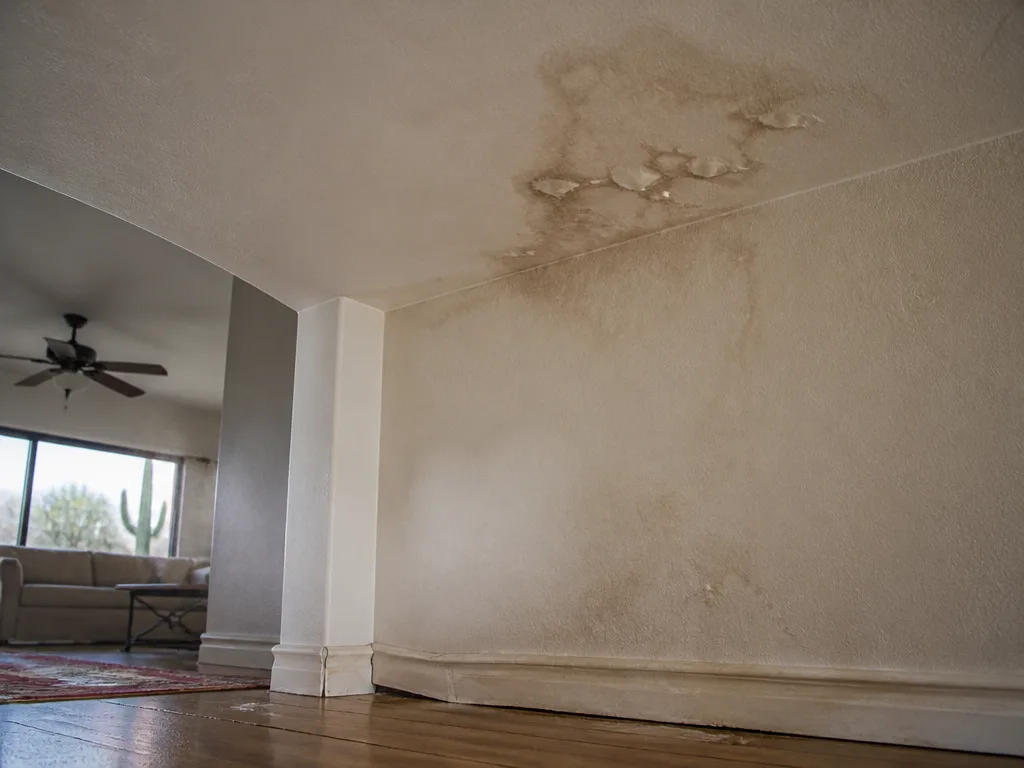
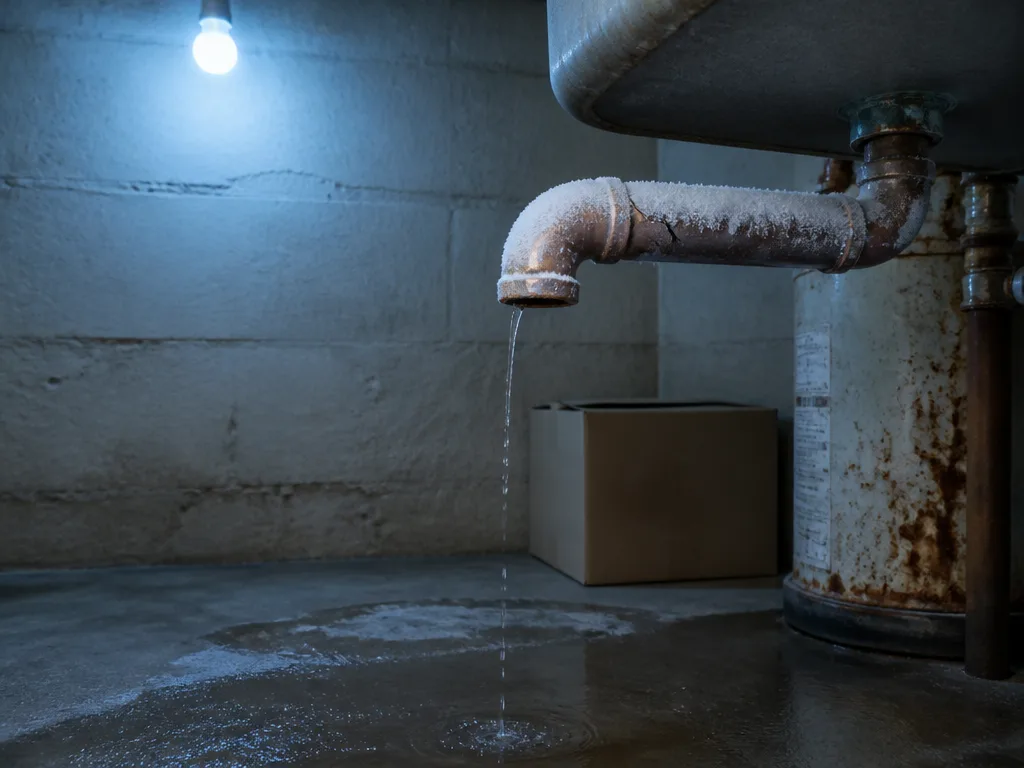
Most people call us within a few hours of noticing water, usually in a panic, sometimes with a towel already soaking up a puddle. That's fine. When you reach Water Damage Restoration by phone, we'll ask a handful of practical questions: where the water came from, how long it sat, whether the water was clean or gray or dark, and whether anyone in the home has been exposed to it.
Those answers decide how quickly a restoration specialist needs to get there and what gear to bring. A broken supply line on a clean tile floor is a different job than an overflow that soaked into drywall overnight. Tell us what you know, even if it feels like guesswork.
Scheduling is handled by phone too. We aim for same-week scheduling in most areas, and we'll walk you through what to move out of the way before we arrive. Our local crews cover a lot of ground across the country, so the person you speak with can usually tell you the realistic window for your address.
The first hour on site
When our team walks in, the first thing we do is stop the spread. That means shutting off the source if it's still running, moving furniture onto blocks or into a dry room, and pulling up anything that wicks water, like area rugs and the lower foot of carpet pad.
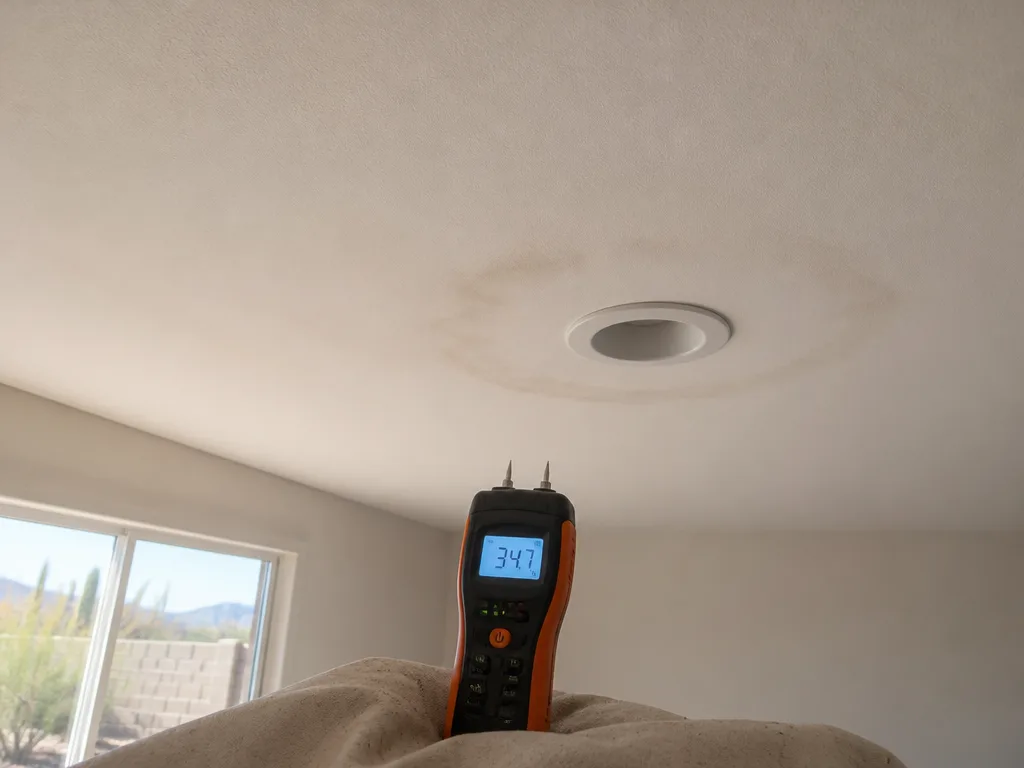
Next comes the moisture map. A restoration specialist uses a moisture meter to check floors, walls, and subfloor, and often a thermal camera to spot cold spots where water has tracked behind baseboards or under cabinets. We mark each reading on a simple floor plan so you can see exactly where the damage reaches.
Here is what that first survey usually covers:
- Water category and how long it has been standing
- Materials that can be dried in place versus those that need removal
- Hidden moisture inside walls, ceilings, and under flooring
- Safe access points for drying equipment
Setting up the drying equipment
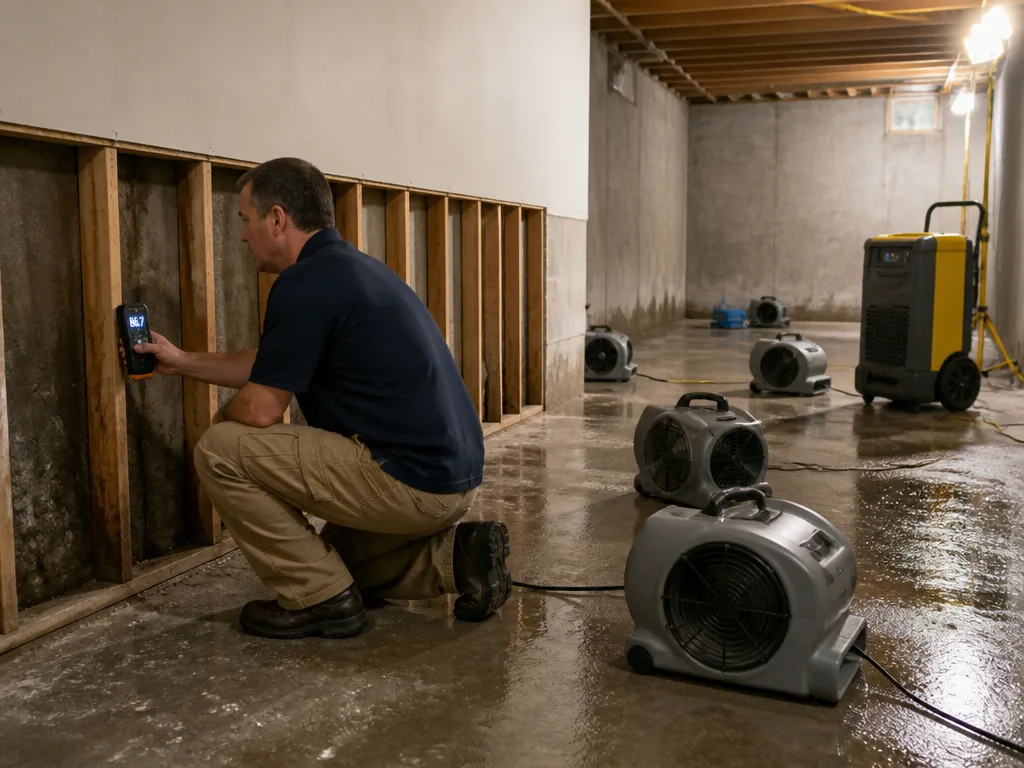
Structural drying is mostly about moving air and pulling moisture out of materials that cannot simply be replaced. Once the map is complete, we place air movers, which look like large fans angled across wet floors and up wall cavities, and dehumidifiers that pull water vapor out of the air. Depending on the size of the loss, that can mean a dozen units or more.
Drying is not the same as airing out a room. Closed windows and doors help the equipment do its job, so expect us to ask you to keep the space sealed for the most part. We'll also drill small inspection holes in some walls so air can reach the cavities behind the drywall. Those holes are patched later, and you'll get a plain explanation of why they were needed.
Many homeowners ask how long this takes. The honest answer is that it depends on the materials, the humidity, and how much water got into the structure. Most structural drying jobs run several days, and we'll check progress against the numbers, not against a calendar guess.
Daily checks and what changes over time
Expect someone to come back on a schedule while the equipment runs. At each visit, a restoration specialist retakes moisture readings at the same marked points, compares them to the day before, and adjusts equipment placement if a corner is drying slower than the rest.
You'll notice things change. Floors go from squishy to firm, the air feels less clammy, and the readings drop. Sometimes a wall that looked fine on day one reads wetter on day two because water migrated, and that's normal. We log every reading so the trend is visible.
Drying is considered complete when materials reach dry standard readings that match unaffected areas of the home. We don't close out the job because it has been a certain number of days. We close it out because the numbers say the structure is dry.
Pulling equipment and the follow-up
Once the readings are where they need to be, we remove the equipment and do a final walkthrough with you. This is when we show you the logged readings, point out the inspection holes we made, and explain what will be repaired and what was simply dried in place. You'll know what the house looks like now and what it should look like once rebuilding starts.
Rebuilding, meaning drywall, paint, flooring, and cabinets, is usually handled by your own contractor or insurance-directed builder unless you've arranged otherwise. Ask us for the drying logs and photos so the builder has the same information we do.
The follow-up matters. A few days after equipment comes out, it's worth checking the baseboards, the corners of closets, and any spot that felt cool or damp. If something looks off, call us and describe what you're seeing. Our team will schedule a return visit to take fresh readings before anything gets closed up behind new finishes.