
Flood Cleanup and Drying Across the United States
Floodwater does more damage than most people expect, and the clock starts the moment water enters your home. Standing water soaks into drywall, subflooring, insulation, and furniture, and within a short window it can feed mold growth and wood rot…
About flood restoration
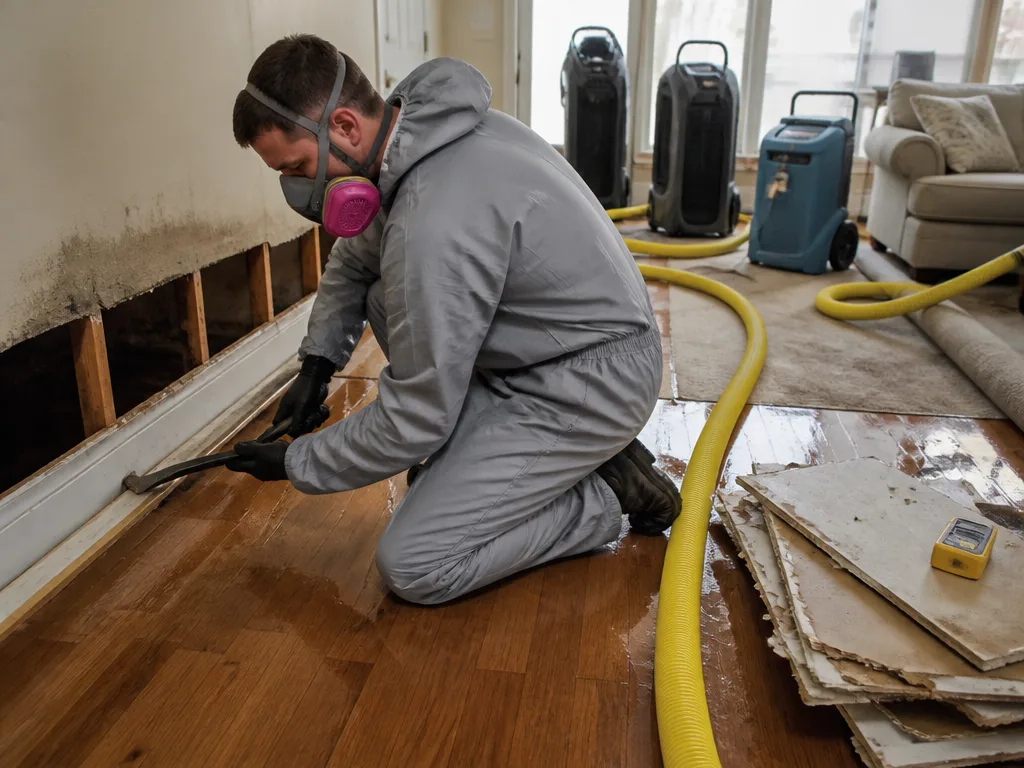
Flood restoration is more than mopping up a wet floor. A complete job starts with an assessment of how far water traveled, which materials were affected, and whether the water was clean, greywater, or contaminated, because that classification determines what can be salvaged and what must be removed. Our team handles water extraction from floors, carpet, and crawl spaces, removes wet drywall, baseboards, and flooring where needed, and cleans and treats affected surfaces to reduce microbial growth. Drying is measured rather than guessed: specialists place equipment based on moisture mapping and track readings daily until materials reach dry standard. This service suits homeowners dealing with storm or flash flooding, property managers responding to tenant emergencies, and business owners who need to get back to operating as soon as it is safe. We work alongside insurance adjusters when requested and provide documentation of the work performed, including photos, moisture logs, and a scope of services, so the claims process has the details it needs.
Signs you need flood restoration
- Visible standing water, puddles, or wet carpet that keeps returning after you dry it up
- A musty or earthy smell that lingers in rooms that recently flooded
- Dark staining, bubbling, or warping on walls, baseboards, or ceilings near the waterline
- Soft, spongy, or discolored subflooring that gives way or creaks underfoot
- Water tracks or mud left behind by storm runoff, rising creeks, or overflowing drains
- Condensation or dampness on windows and walls days after the water appeared to be gone
Why choose Water Damage Restoration?
- Our restoration specialists are trained in water extraction, structural drying, and moisture mapping
- Local crews wherever you are mean faster arrival and a shorter path to drying
- We use commercial-grade extraction and drying equipment matched to the size of each loss
- Every job is documented with moisture readings, photos, and a written scope of services
- We communicate progress throughout the restoration so you always know what happens next
- Our national footprint gives us consistent methods and standards in every region we serve
From phone call to finished job
Four straightforward steps. No upsells.
You tell us where the water came from, how long it sat, and which rooms are affected, so we can plan the right crew and equipment before we arrive.
Our restoration specialist walks the space with a moisture meter, checks walls and subfloors, and explains which materials can dry in place and which need to come out.
The crew pulls standing water, sets up air movers and dehumidifiers, and monitors moisture levels daily until the structure reads dry.
You receive a written summary of readings, equipment used, and any repairs recommended, and you can reach the team by phone for questions after the job.
What you get
Water is removed quickly, which limits how far it can soak into building materials
Early drying reduces the risk of mold colonies forming inside walls and under flooring
Saturated materials are assessed and salvaged where possible, lowering rebuild costs
Measured moisture readings show you when the structure has reached dry standard
Clear documentation supports your insurance claim with photos and detailed logs
Your home or business can return to normal use sooner with a planned scope of work
Talk to a local pro now
(520) 593-0194Questions about flood restoration
Don't see your question? Call (520) 593-0194 and we'll answer it.
How quickly should I call for flood restoration after water enters my home?
As soon as it is safe to do so, ideally within the first day. Water begins soaking into drywall, flooring, and insulation right away, and materials that stay wet for an extended period are more likely to develop mold or rot. Calling promptly gives our restoration specialists the best chance to remove water and begin drying before lasting damage sets in.
Is it safe to stay in my home while flood restoration is underway?
It depends on the extent of the flooding, the type of water involved, and whether electrical systems are affected. Our team will assess conditions on arrival and tell you plainly whether certain areas should be avoided. If the water was contaminated or the structure is compromised, we may recommend temporary relocation until the work is complete and the space has been cleared.
Will my insurance cover flood restoration services?
Coverage depends on your policy and the cause of the flooding. Many standard homeowners policies exclude flood damage, while separate flood insurance or certain storm-related coverages may apply. We can provide detailed photos, moisture logs, and a written scope of services to support your claim, and we can coordinate with your insurance adjuster if you ask us to.
What happens to furniture, carpet, and building materials after flooding?
Items are evaluated individually based on the type of water, how long they were wet, and whether they can be cleaned and dried effectively. Carpet, pad, and some drywall and insulation are often removed because they hold water and contaminants. Solid wood furniture and hard surfaces may be cleaned and dried in place. We explain what we recommend keeping and what needs replacement before any removal begins.
How do you know when the drying process is finished?
Our restoration specialists take moisture readings across affected materials and compare them to dry standards for those materials and the surrounding structure. Readings are logged daily during drying, and equipment is removed only after the numbers confirm the area has reached target levels. You receive the final readings as part of the documentation package.
Need flood restoration today?
Real local restoration specialists. Careful work. One call away.