
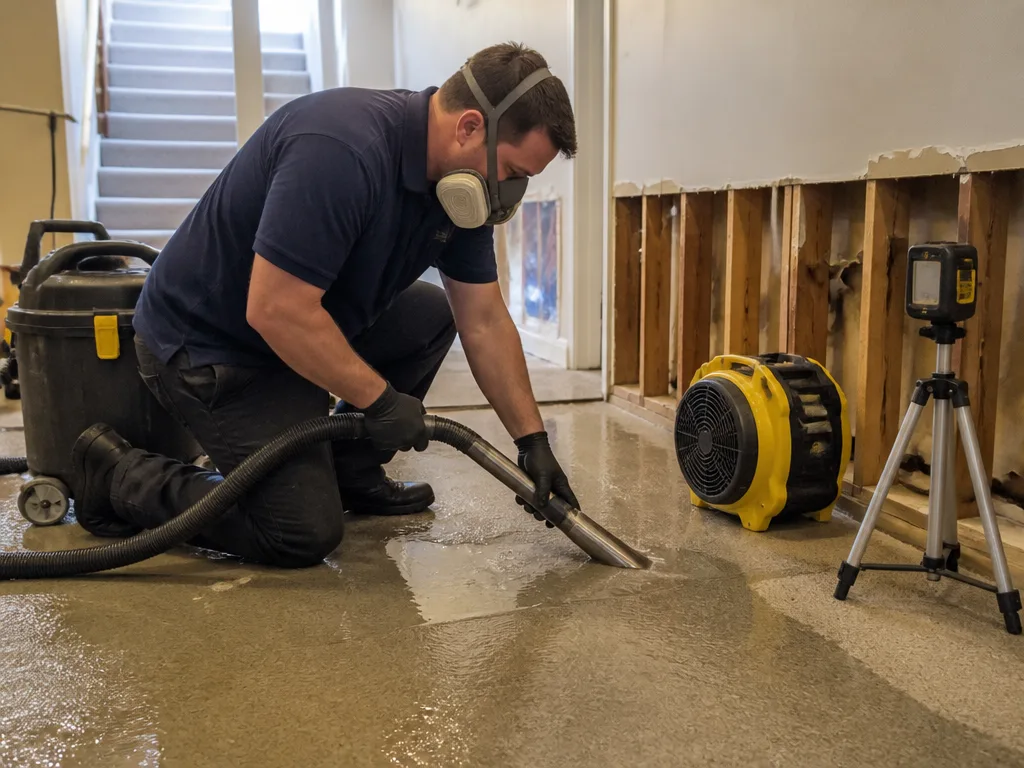
Water Damage Restoration
Standing water in your home? Our restoration specialists extract it and dry the structure so rooms feel usable again.
Sugar Land homes sit on slab or pier-and-beam foundations, and plenty of them were built around 1998, so the wood and insulation under the house have had decades to soak up moisture. Fort Bend County carries a Relatively High flood risk, and when water gets into a crawl space it lingers in the soil and stays in the joists. Crawl space drying pulls that moisture out so the wood stops rotting and the insulation stops sagging, and the phone number is (520) 593-0194.
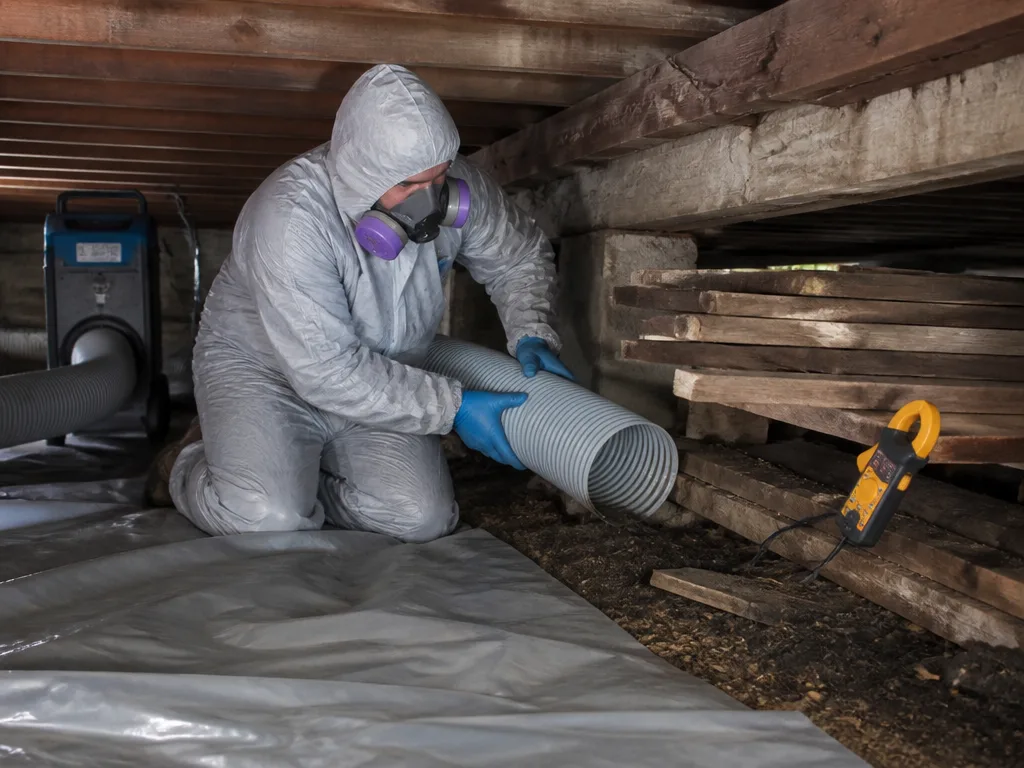
For a Sugar Land property, crawl space drying means setting up air movers and dehumidifiers in the crawl space, then checking the soil, joists and subfloor until the readings come back dry. Most homes here are owner-occupied and worth around $478,300, so it pays to catch rot before it reaches the floor above.
Our local team covers every ZIP code in Sugar Land for crawl space drying.
If any of these sound familiar, a quick phone call will help you decide whether crawl space drying is the right next step for your Sugar Land property.
Call (520) 593-0194Three straightforward steps. No upsells.
We crawl the space with a flashlight and moisture meter to find wet soil, damp joists, and any spots where water is getting in. We point out what we see as we go.
We set up commercial dehumidifiers and air movers, and where needed a vapor barrier over the soil, to pull water out of the ground and wood. Equipment stays in place until readings drop to where they should be.
We monitor humidity and wood moisture over the drying period, then take final readings and walk you through the numbers. If insulation or subfloor boards need replacing, we tell you before doing any extra work.
Homes from that era often have wood framing and fiberglass insulation down below that hold water once the soil around them gets wet. Drying the space early keeps the joists from softening and stops mold from spreading into the insulation.
Yes, the heating type doesn't change how moisture behaves underneath the house. Gas-heated homes still trap humidity in a closed crawl space, so the air and soil need to be dried whichever system is running upstairs.
A technician checks the crawl space with a moisture meter and looks at the soil, joists, and insulation. They explain what they find and recommend a drying plan. Equipment is then placed, and the crew returns to check readings and remove it once the space is dry.
Timing depends on how wet the soil is and how big the crawl space is, so the crew confirms it on the phone or during the first visit. Pricing also depends on the size of the space and the work needed, so please call us for a discussion of your situation.
Standing water in your home? Our restoration specialists extract it and dry the structure so rooms feel usable again.
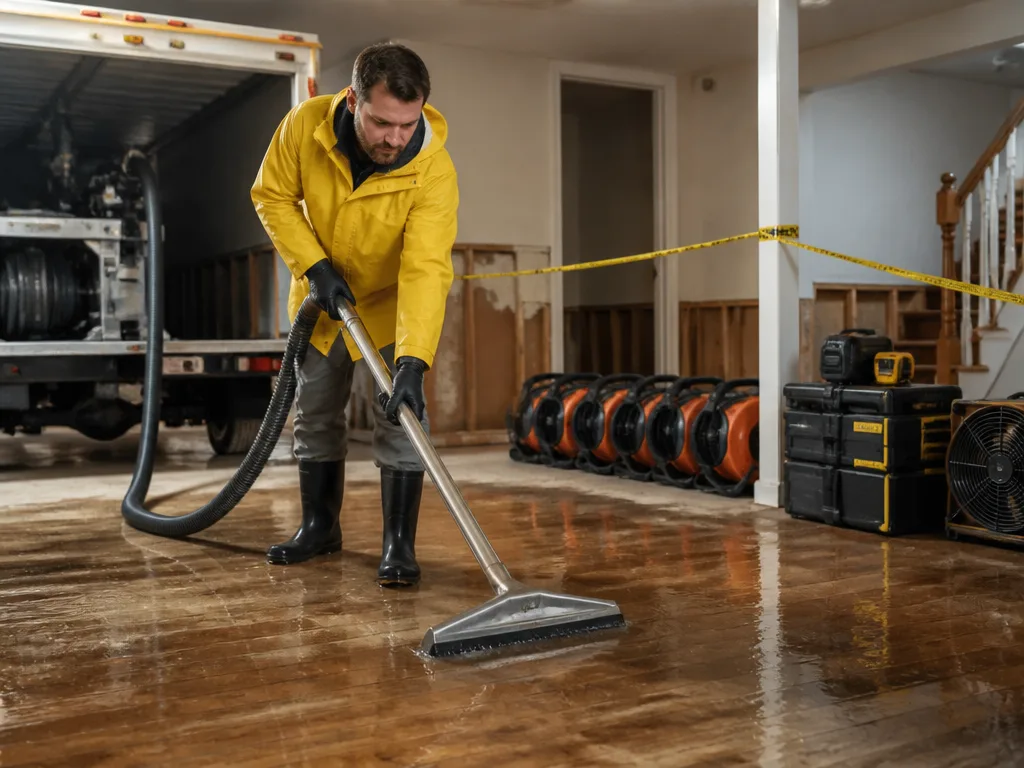
Standing water out of your home fast, so floors, drywall and belongings have a real chance to dry out.
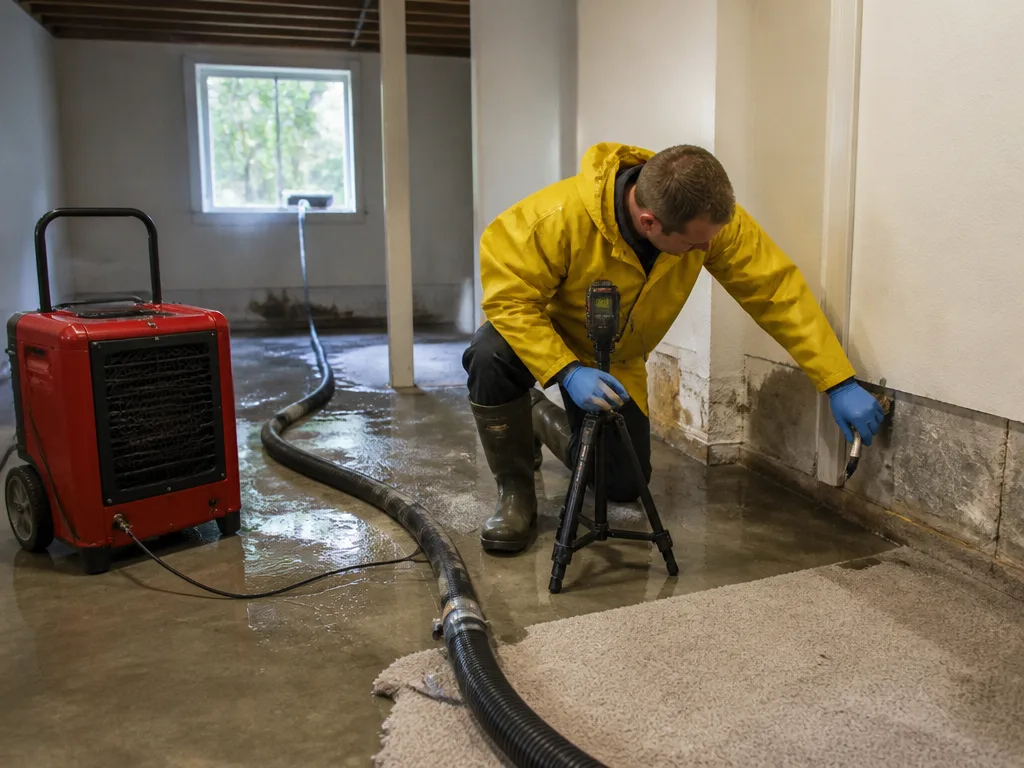
Standing water pumped out and floors dried so your home is livable again.
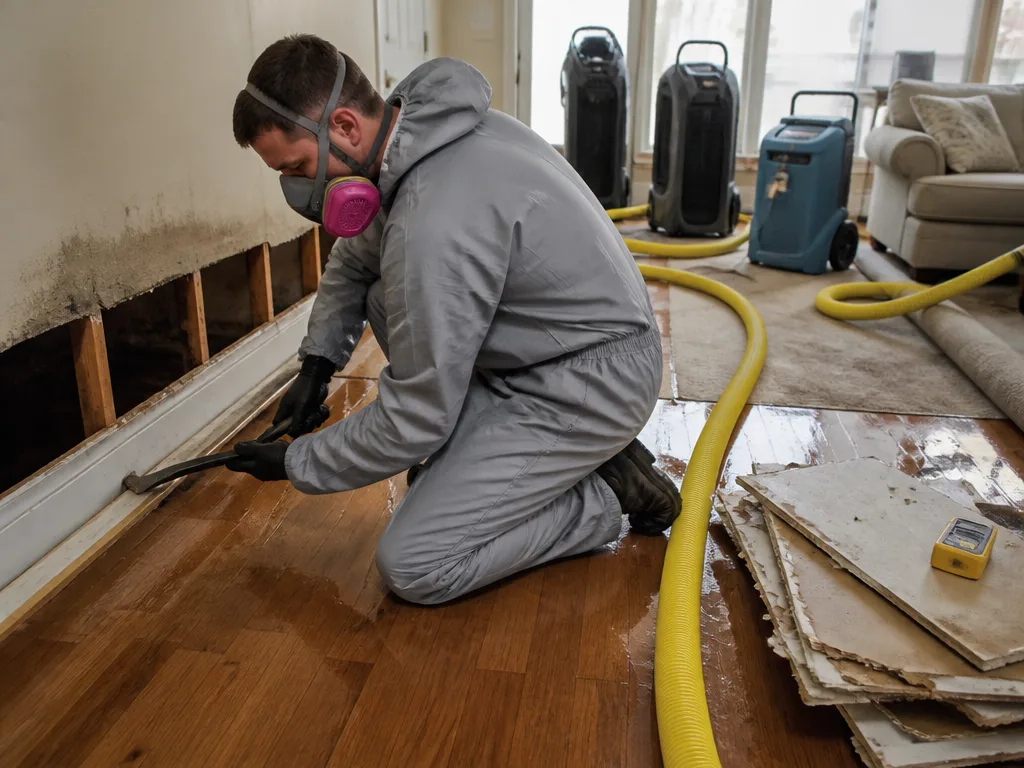
Fast flood cleanup and drying that gets water out of your home before it turns into mold and rot.
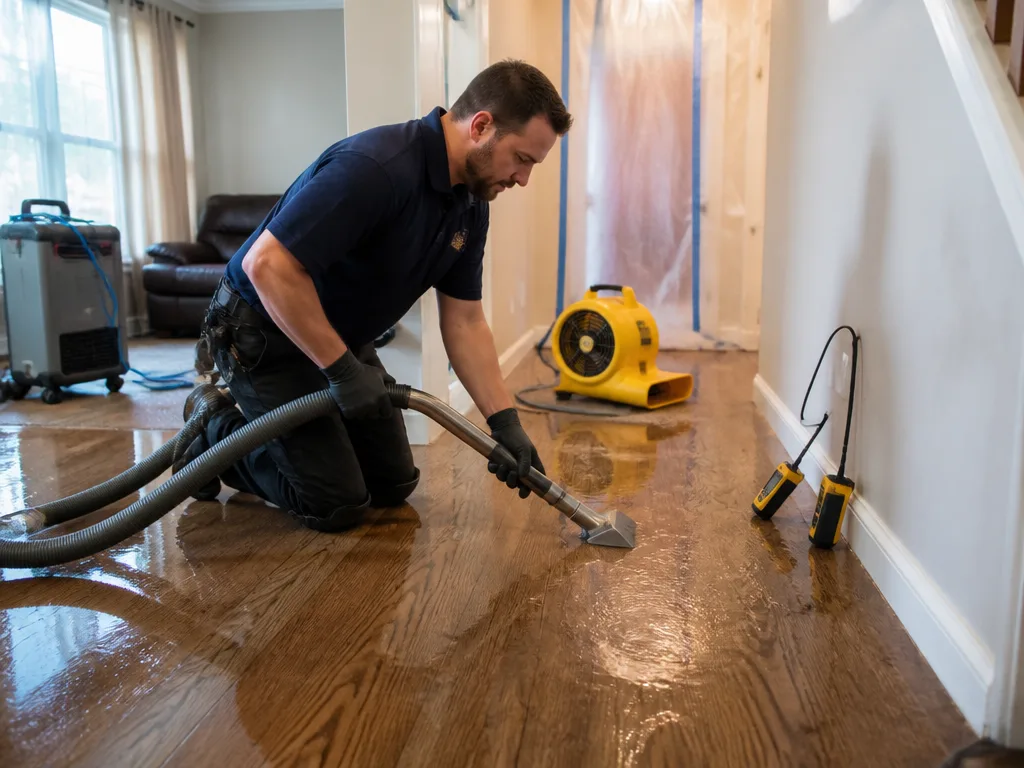
Call us after a burst pipe and we'll pull out the water, dry the floors, and keep mold from settling in.
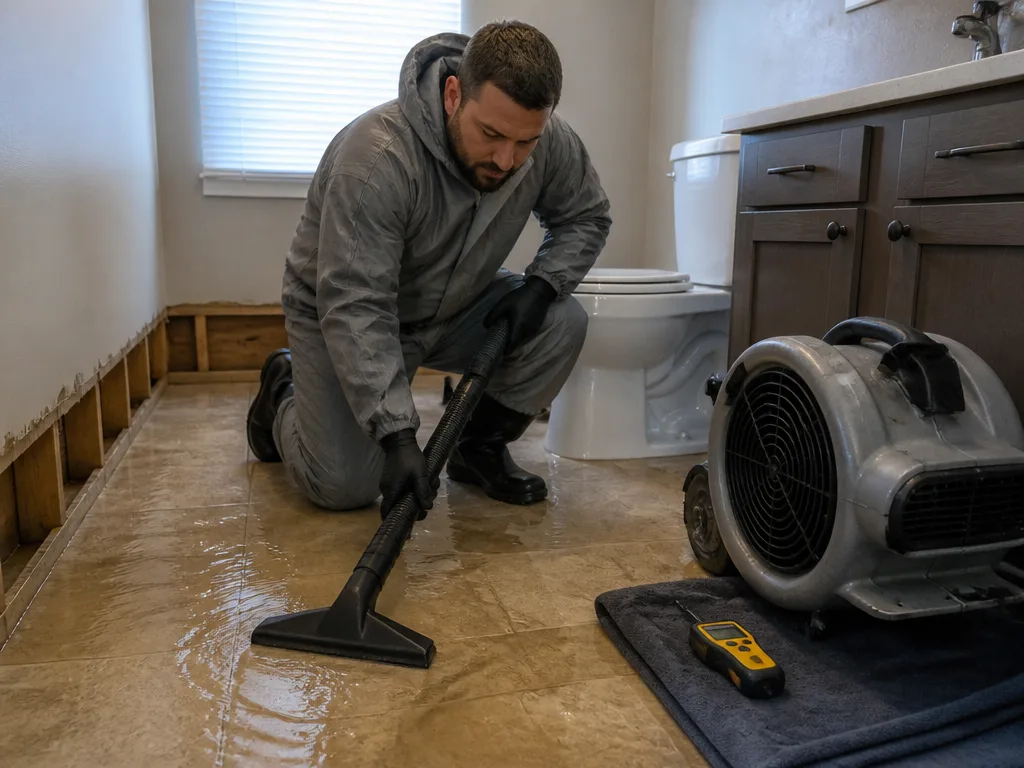
Our crew pulls standing water after a toilet overflow so your subfloor and walls have a chance to dry.
Call now and speak to a real local restoration specialist.