
Water Damage Restoration
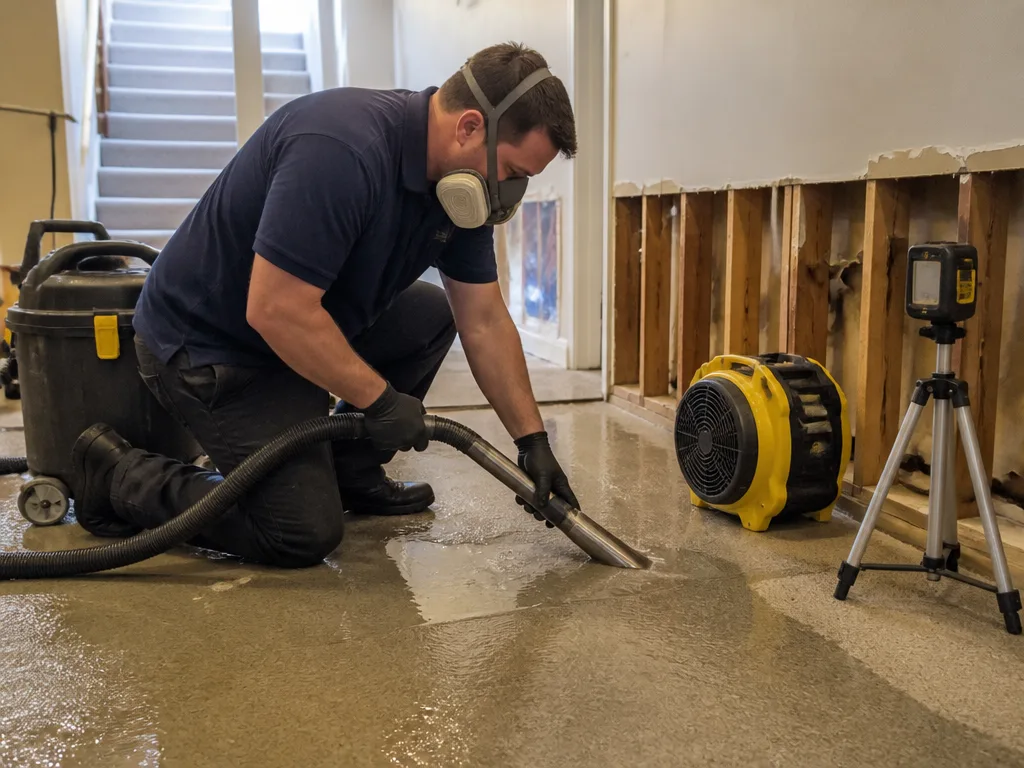
Standing water in your home? Our restoration specialists extract it and dry the structure so rooms feel usable again.
A stained or sagging ceiling after a leak in Burnsville is usually a sign that water has been sitting above the drywall longer than you'd like. Our restoration crew handles Ceiling Water Damage by drying out the cavity, checking the joists and insulation, and then rebuilding what the water took. Burnsville's housing stock, much of it from around 1979, means old roof flashing and aging plumbing are common culprits, so we look past the stain to find the source. Call (520) 593-0194 and we'll talk through what you're seeing.
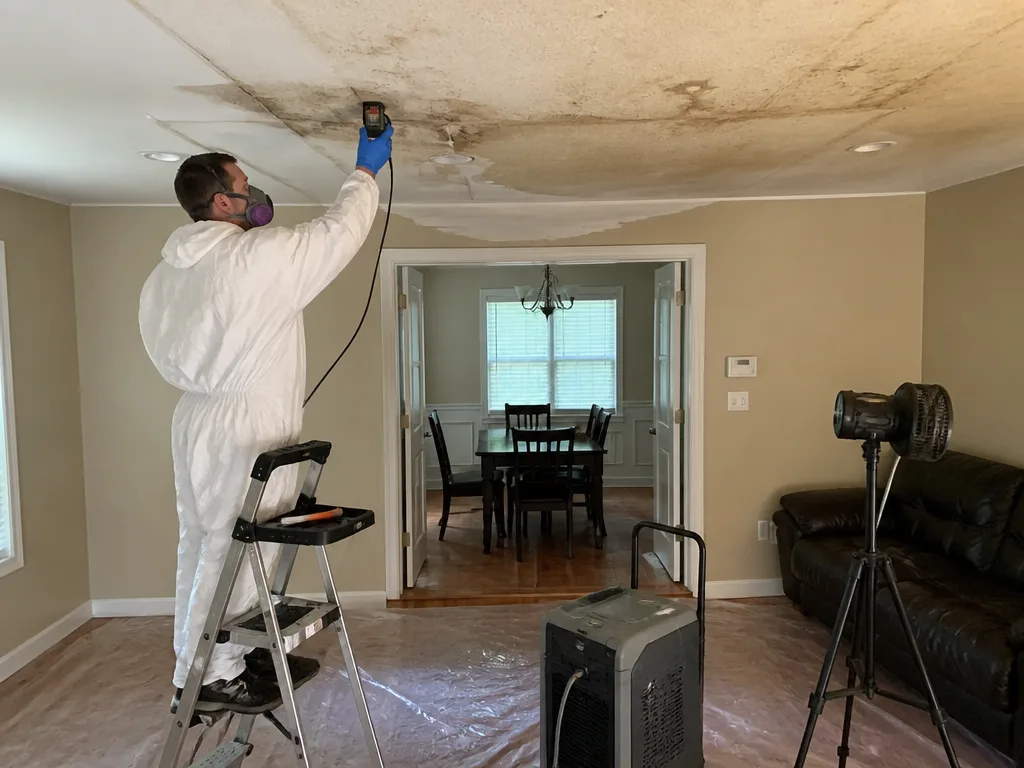
For a Burnsville home built around 1979, Ceiling Water Damage often means soaked insulation, swollen drywall and a leak path that's been slowly spreading for weeks. We open up what needs opening, dry the framing properly, and rebuild the ceiling so it looks like it did before.
Our local team covers every ZIP code in Burnsville for ceiling water damage.
If any of these sound familiar, a quick phone call will help you decide whether ceiling water damage is the right next step for your Burnsville property.
Call (520) 593-0194Three straightforward steps. No upsells.
We check the roof, plumbing, or HVAC lines above the stain to find where the water is actually coming from. Fixing the stain without stopping the leak just means it comes back.
We pull out any sagging or soaked drywall, then run air movers and dehumidifiers until the framing and insulation read dry. We check for moisture before we close anything up.
We patch or replace the drywall, tape and texture to match the surrounding ceiling, and prime and paint so the repair blends in. The area is cleaned up before we leave.
Many homes here date back to around 1979, when roof and plumbing materials were different and have had decades to wear. Water can travel along joists before it shows up on the ceiling, so the stain is often the last sign rather than the first.
Not always, but sagging usually means the drywall has absorbed a lot of water and lost its grip. If it's still wet or the fasteners have failed, it's safest to remove the affected section and dry the cavity underneath.
A technician checks the stain, the ceiling material, and the area directly above it, usually with a moisture meter and sometimes a thermal camera. They look for the water source and tell you what they found. If the ceiling needs to come down, they'll show you which sections and why. You'll get a plain-language explanation before any work starts.
Drying usually takes a few days, and the rebuild and paint often add a few more, depending on how large the affected area is. Costs depend on the size of the damage, how far the water traveled, and whether the source has to be fixed first. Call us with a description of the stain and we'll give you a realistic timeline and let you know what to expect.
Standing water in your home? Our restoration specialists extract it and dry the structure so rooms feel usable again.

Standing water out of your home fast, so floors, drywall and belongings have a real chance to dry out.
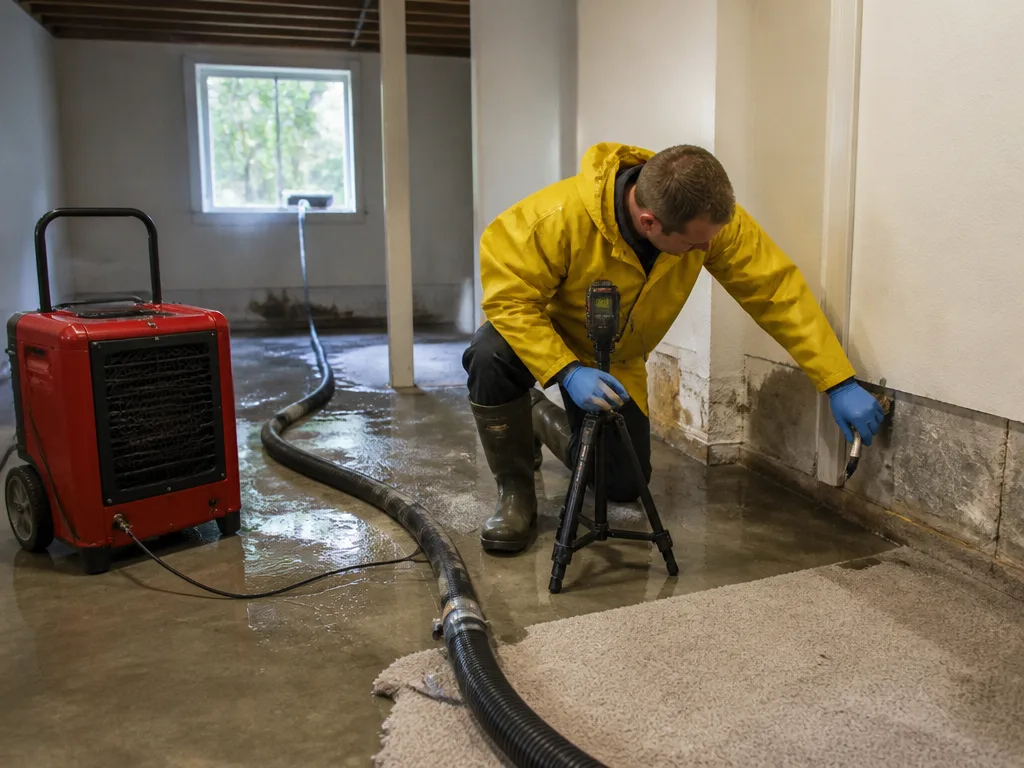
Standing water pumped out and floors dried so your home is livable again.
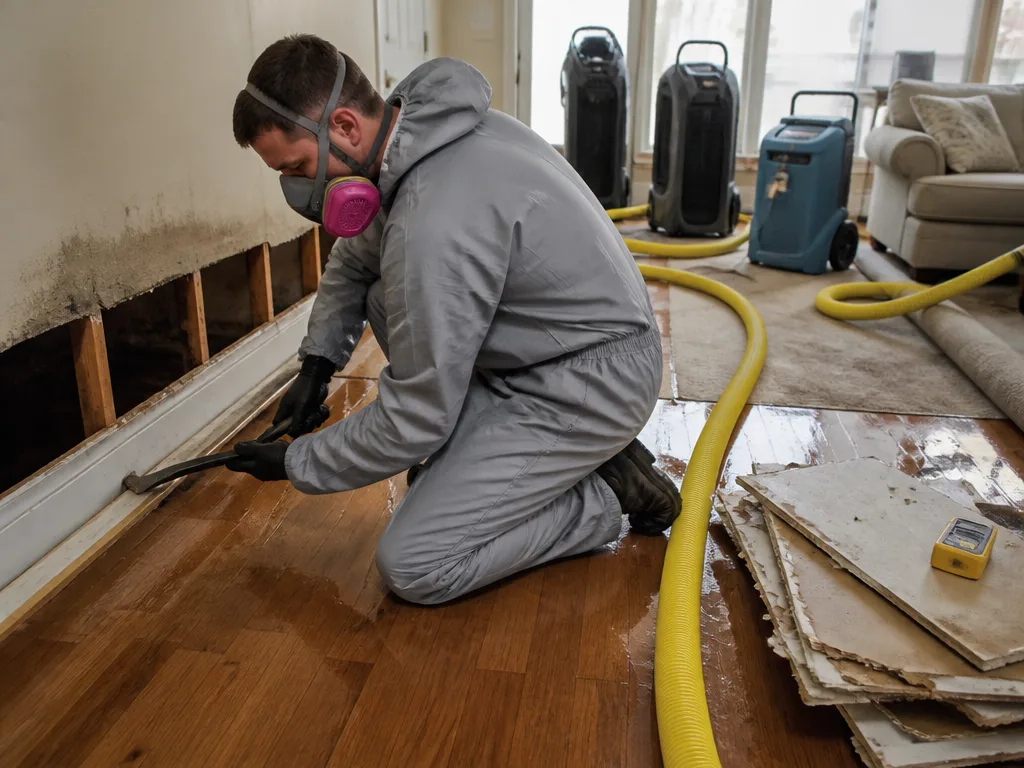
Fast flood cleanup and drying that gets water out of your home before it turns into mold and rot.
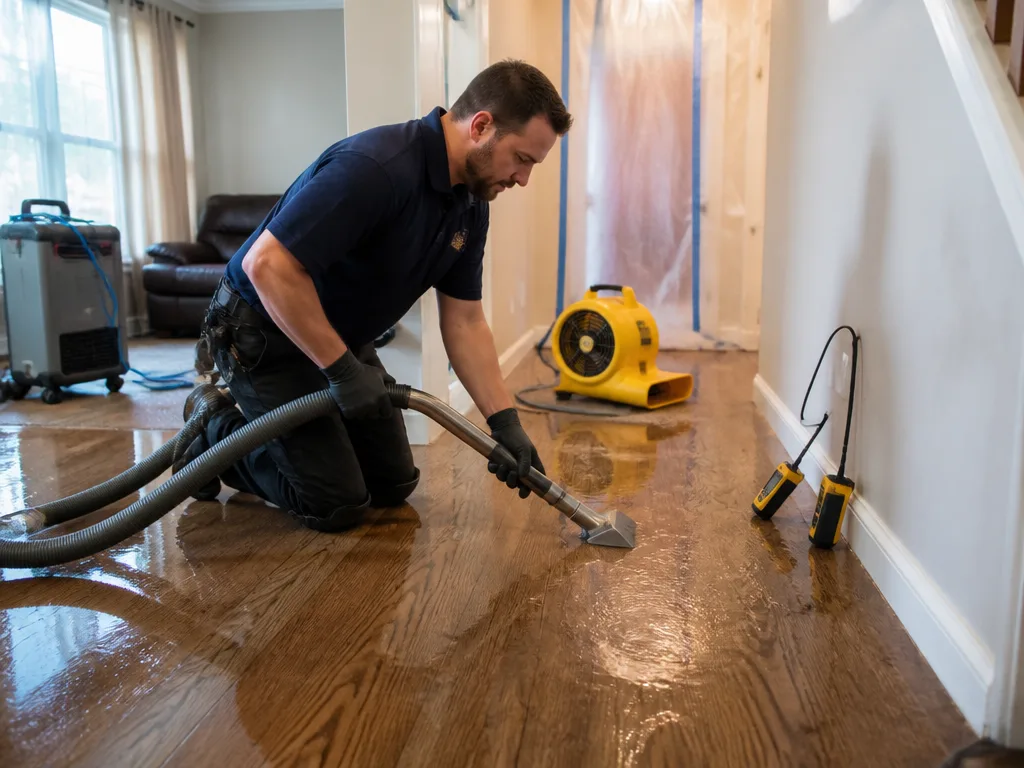
Call us after a burst pipe and we'll pull out the water, dry the floors, and keep mold from settling in.
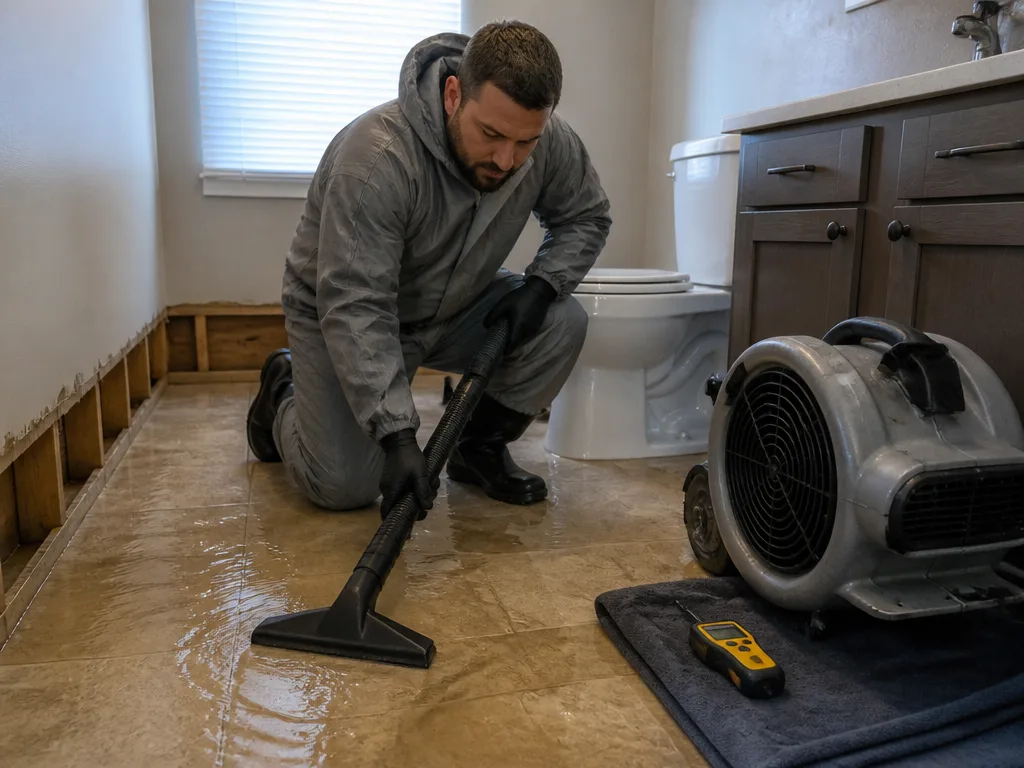
Our crew pulls standing water after a toilet overflow so your subfloor and walls have a chance to dry.
Call now and speak to a real local restoration specialist.